Things to see & do in Nanjing
The essentials, roughly east to south. Chinese names are included so you can show a taxi driver or search a map app.
Nanjing's must-see sights are the Sun Yat-sen Mausoleum and Ming Xiaoling on Purple Mountain, the Ming City Wall at Zhonghua Gate, Xuanwu Lake, the Nanjing Museum, the Memorial Hall of the Victims in the Nanjing Massacre, and the Qinhuai River at the Confucius Temple (best at night). The Mausoleum, Museum and Memorial Hall are free but need a real-name reservation with your passport and usually close on Mondays.
Updated
Sun Yat-sen Mausoleum 中山陵
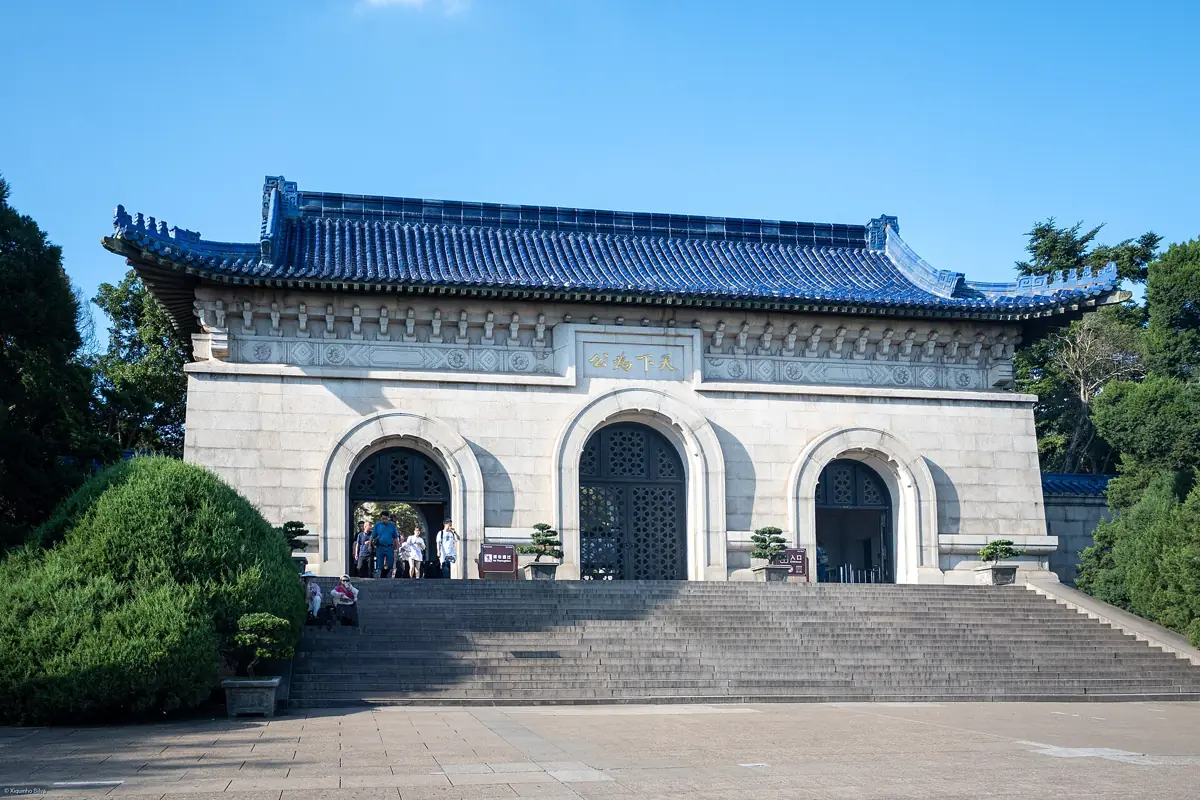
The resting place of Dr Sun Yat-sen, revered across China as the forerunner of the 1911 revolution that ended imperial rule. The main structures were finished in 1929 on the southern slope of Purple Mountain. A broad stairway of 392 stone steps and ten landings climbs through a series of gates to a granite memorial hall with a blue-glazed roof, and the view back down over the forest is the reward.
Free, reservation requiredClosed Mondays (holiday exceptions)Metro Line 2, Muxuyuan, then walk/shuttle
Purple Mountain & Ming Xiaoling 紫金山 · 明孝陵
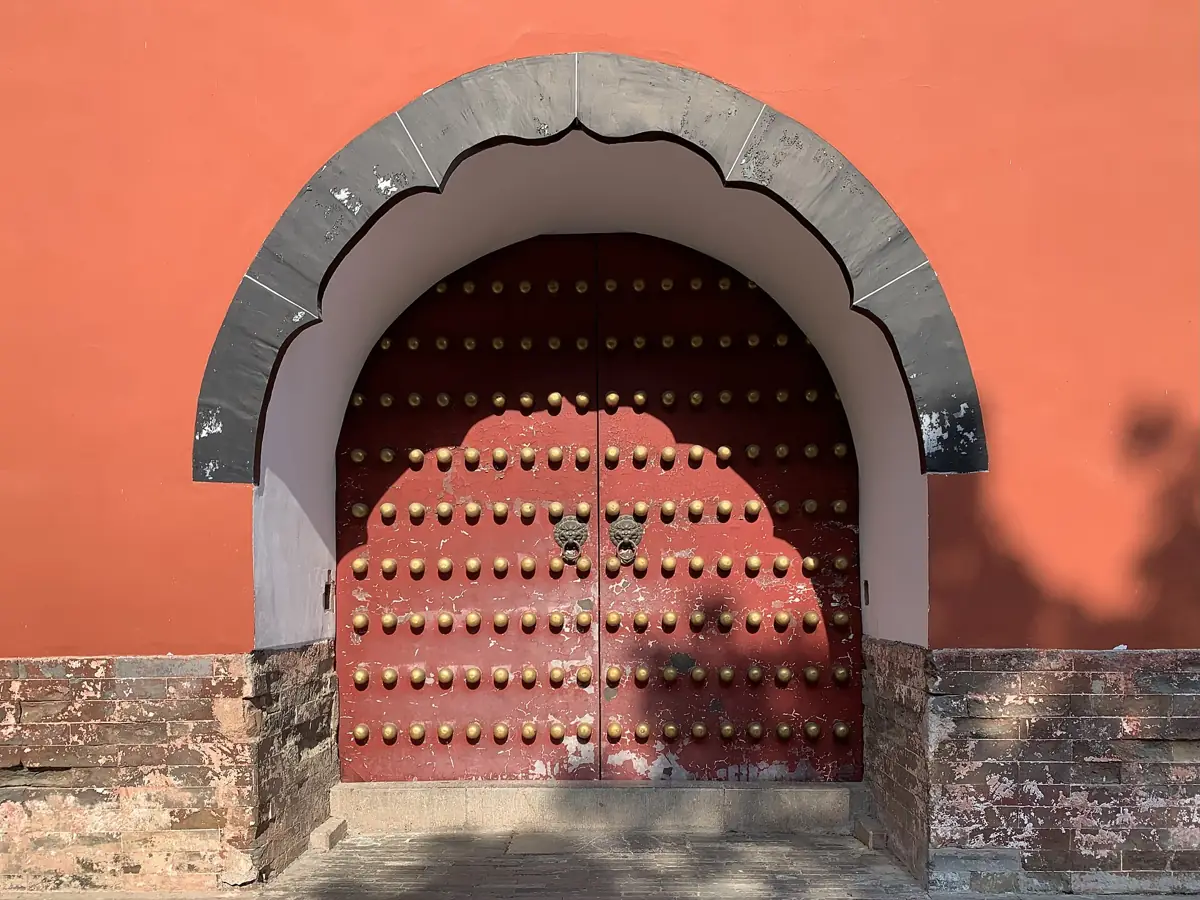
Purple Mountain (also called Zhongshan) is a large forested park on the city's eastern edge, dotted with monuments, temples and walking trails. Its highlight besides the Sun Yat-sen Mausoleum is the Ming Xiaoling Mausoleum, tomb of Zhu Yuanzhang, founder of the Ming dynasty, and Empress Ma. It joined UNESCO's World Heritage List in 2003 as part of the Imperial Tombs of the Ming and Qing Dynasties. Don't miss the Sacred Way lined with stone animals, lovely in autumn.
Ticketed; buy at the gate or in the park's mini-programAllow half a day for the mountain
City Wall & Zhonghua Gate 南京城墙 · 中华门
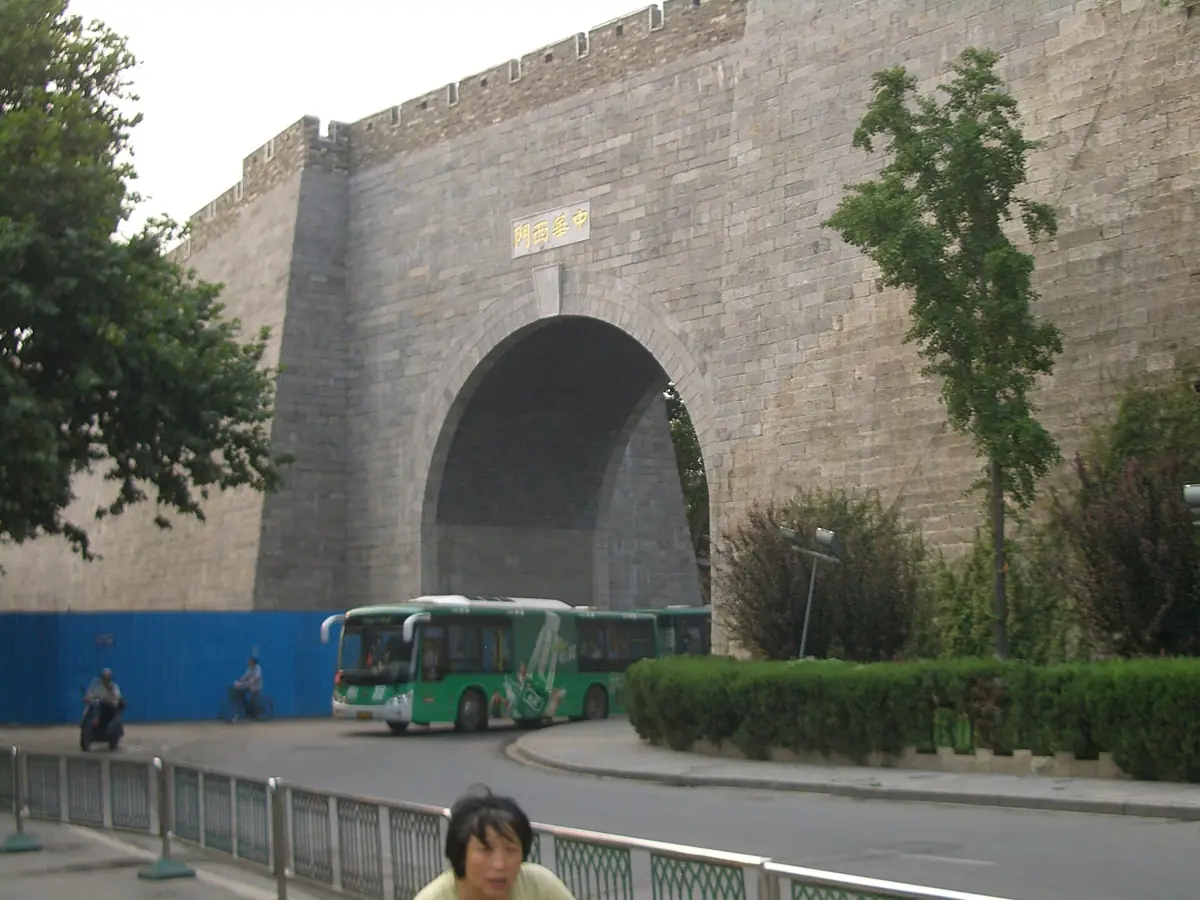
Construction of Nanjing's Ming wall began in 1366 and took about 28 years. Of its original 35 km or so, roughly 25 km survives, making it one of the longest surviving city walls in the world. Look closely and you'll see bricks stamped with the names of the makers and officials responsible for them.
Zhonghua Gate, originally called Jubao Gate, is the showpiece: a fortress-like gate with three inner enclosures (barbicans) and 27 vaulted chambers for troops, often described as the largest surviving gate of its kind in China. Other good places to walk the wall include the Taicheng section near Jiming Temple and the stretch above Xuanwu Lake.
Ticketed sectionsMetro Line 1, Zhonghuamen (then walk north)
Xuanwu Lake 玄武湖
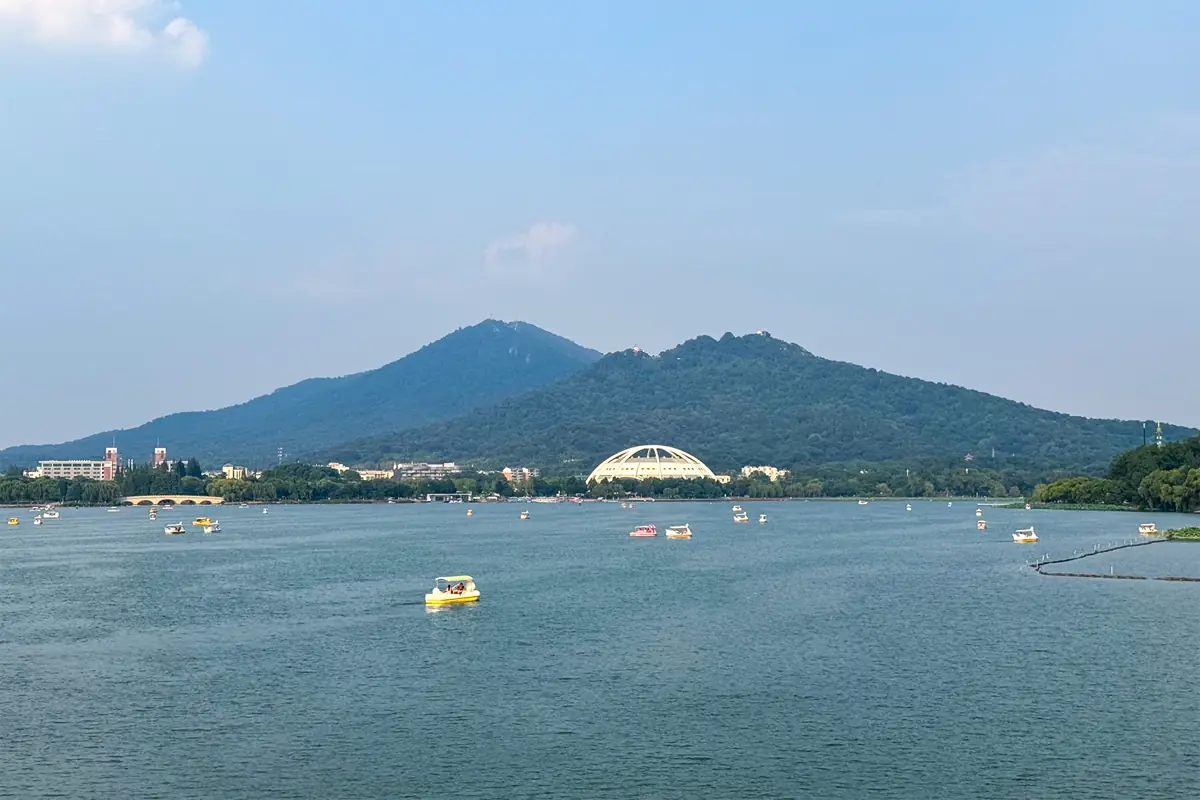
A former imperial lake garden with five islands linked by causeways, sitting between the city wall, Purple Mountain and Nanjing Railway Station. Park entry is free. Rent a pedal boat, walk the willow-lined paths, or climb onto the wall for the classic skyline-over-water view at sunset.
Free entryMetro Line 1, Xuanwumen
Nanjing Museum 南京博物院
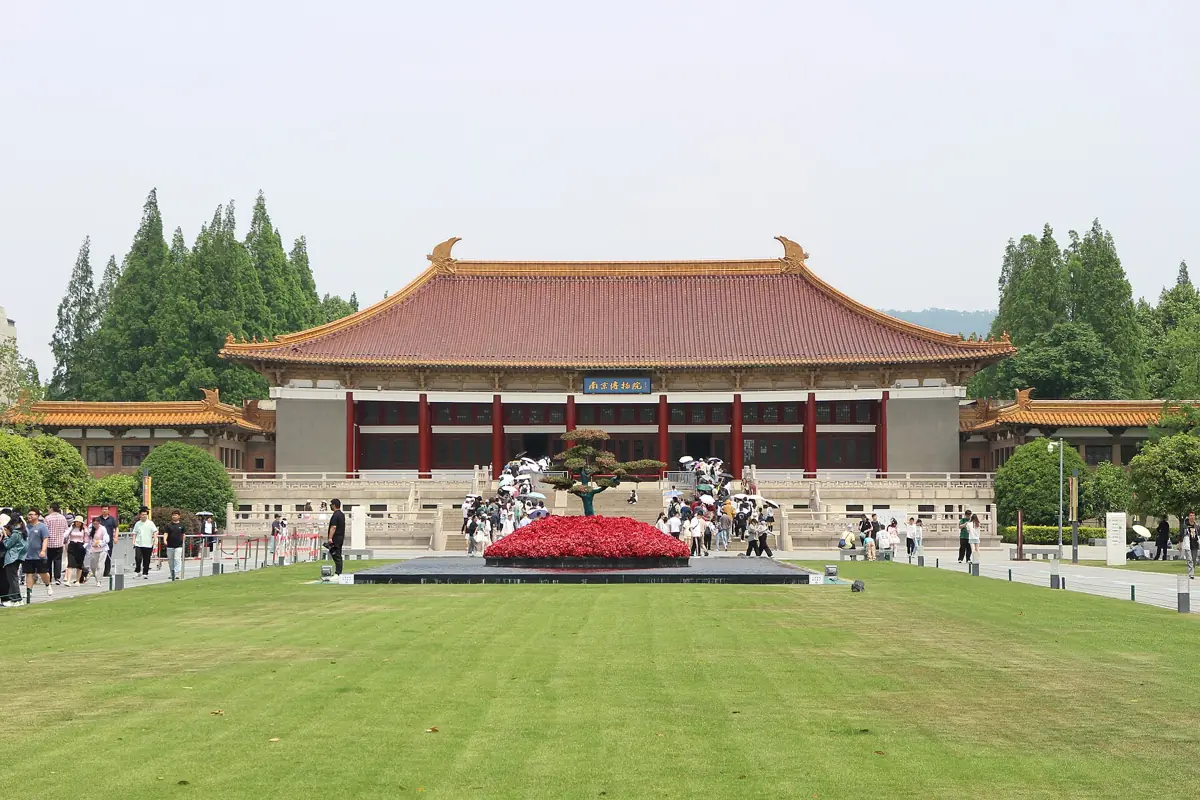
One of China's major national-level museums, founded in 1933 as the National Central Museum. Highlights include ancient jade and bronzes, Ming and Qing porcelain, and the Republic of China-era street recreated in the Republic Hall, a fun stop with old-style shops and cafés. Permanent galleries are free with a reservation.
Free, reservation requiredClosed Mondays (holiday exceptions)Metro Line 2, Minggugong
Memorial Hall of the Victims in the Nanjing Massacre 侵华日军南京大屠杀遇难同胞纪念馆
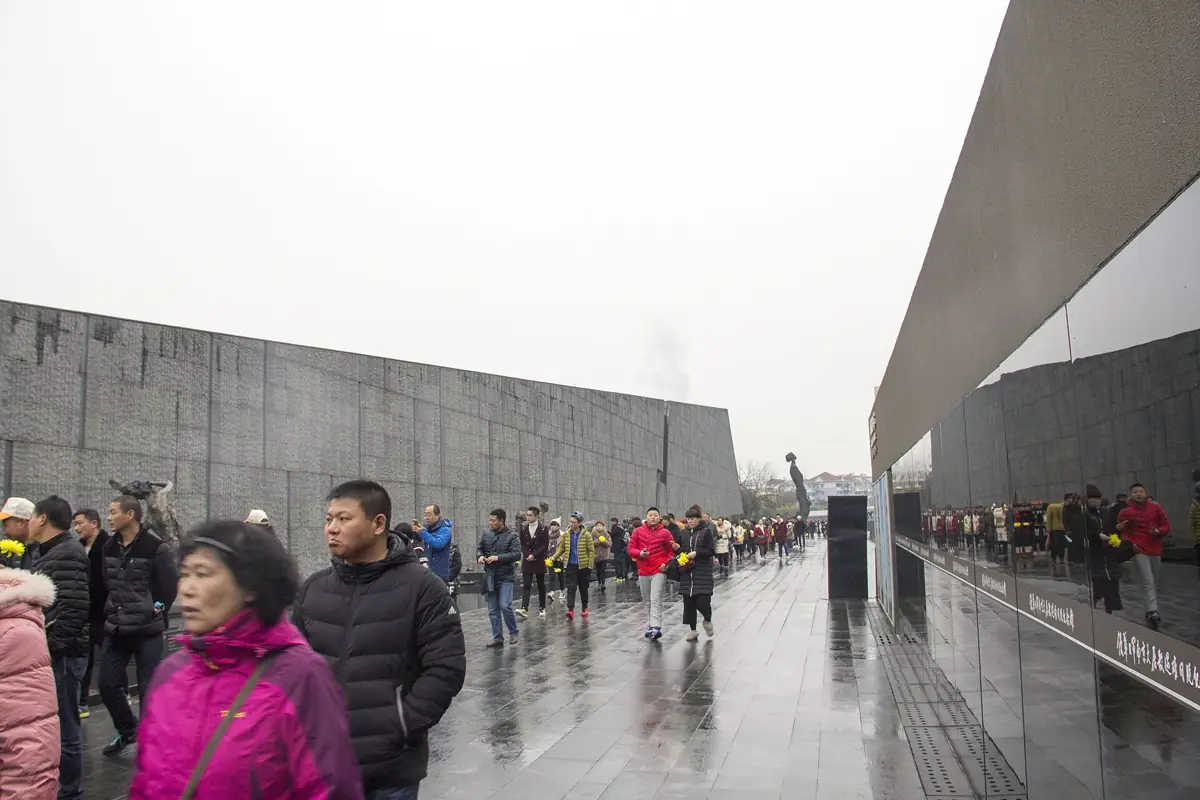
This memorial and museum stands on Jiangdongmen, a site of mass killings and burials during the Nanjing Massacre that began in December 1937. It opened in 1985. Through documents, survivor testimony, photographs and preserved remains, it records the suffering of the city's people and calls for remembrance and peace. Since 2014, 13 December has been China's National Memorial Day for the victims.
Please visit in a quiet, respectful way: speak softly, dress modestly, and follow posted rules about photography. Some exhibits are distressing; consider whether they suit younger children.
Free, reservation requiredClosed Mondays (holiday exceptions)Metro Line 2, Yunjinlu
Qinhuai River, Confucius Temple & night cruise 秦淮河 · 夫子庙
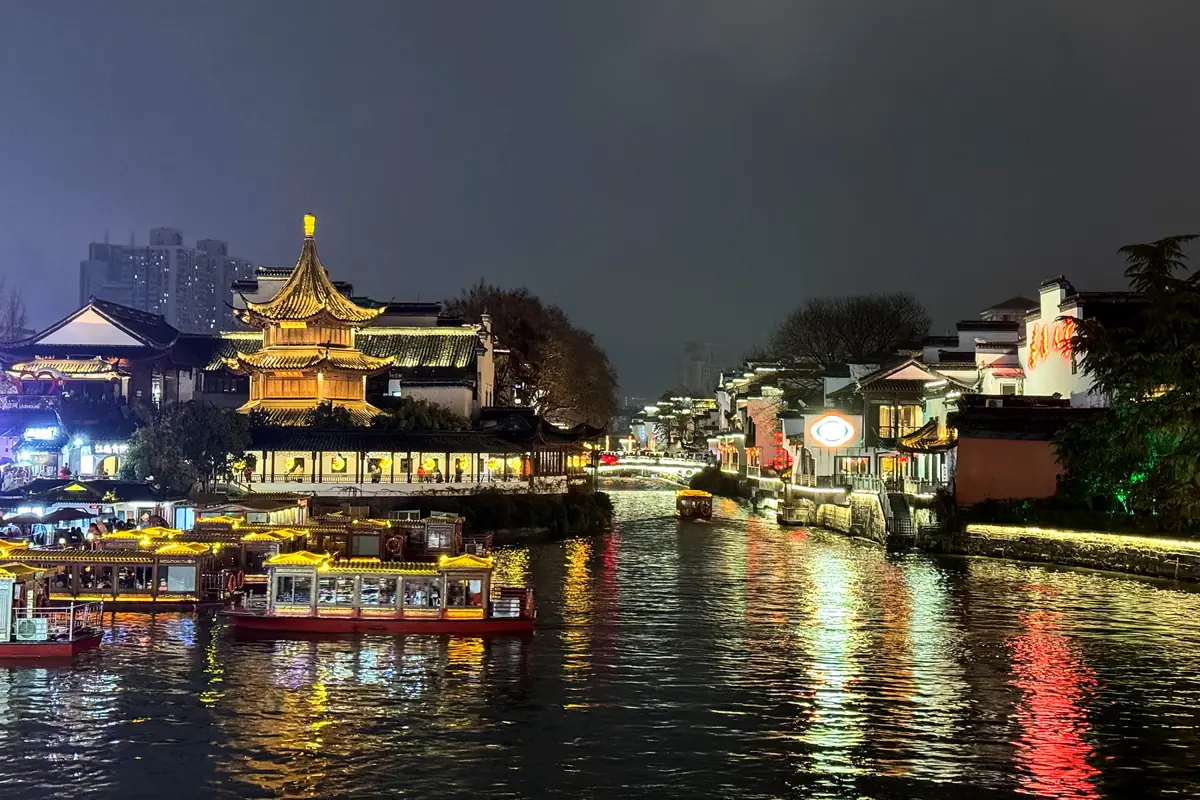
The Fuzimiao area grew up around a Confucian temple and the imperial examination halls (now the China Imperial Examination Museum). Today it's Nanjing's liveliest evening scene: lanterns, carved wooden façades and snack streets along the river.
The classic experience is a night cruise on a painted boat from the dock beside the Confucius Temple, gliding past lit-up bridges and old houses in under an hour. Book through the official Fuzimiao mini-program or at the dock; sailings can be suspended in bad weather, so check on the day.
Ticketed cruiseMetro Line 3, Fuzimiao
Jiming Temple 鸡鸣寺
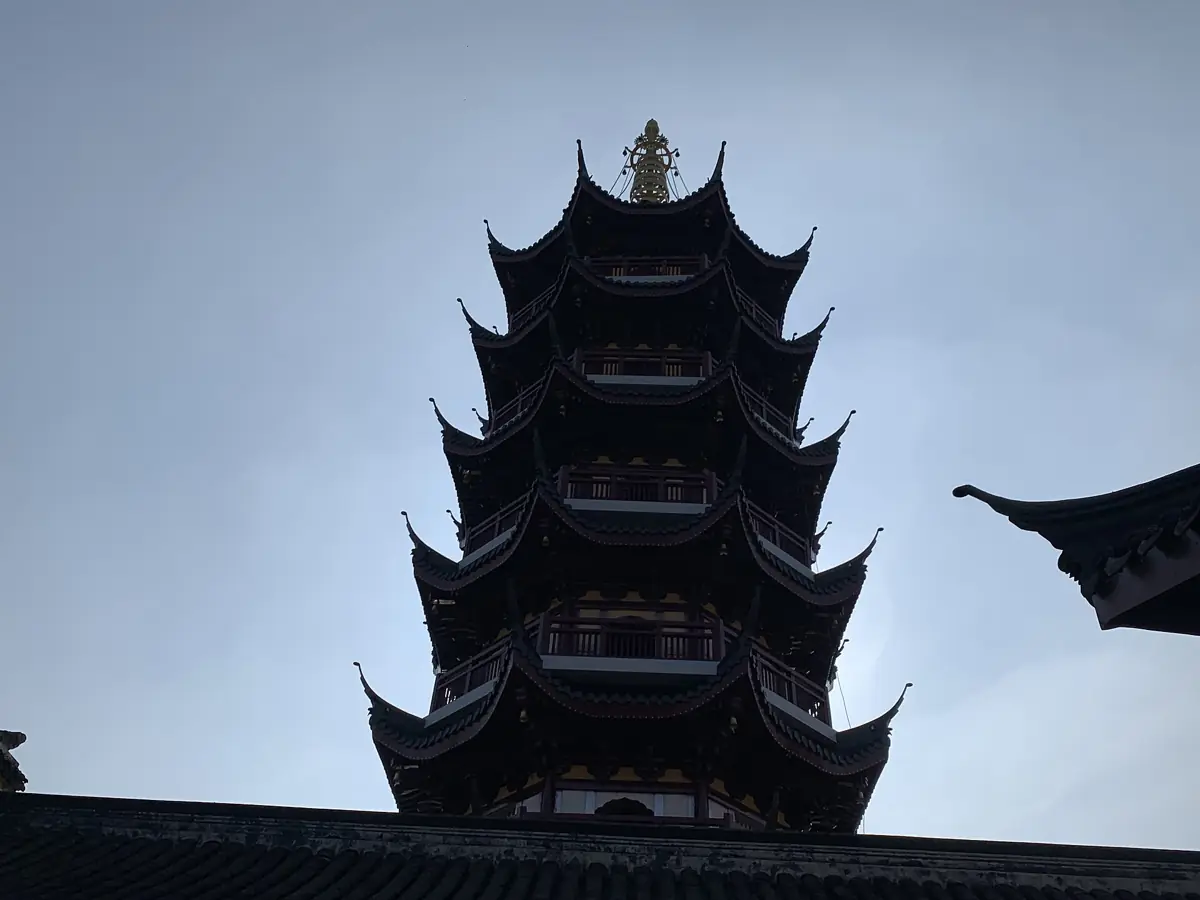
A working Buddhist temple on a hill above Xuanwu Lake. A temple has stood here since early times; the present name and layout date to 1387 under the first Ming emperor. Its yellow walls and pagoda are a favourite in spring, when the road below fills with cherry blossom. Combine it with the adjacent Taicheng section of the city wall. Please dress modestly and be considerate of worshippers.
TicketedMetro Lines 3 & 4, Jimingsi
Laomendong 老门东
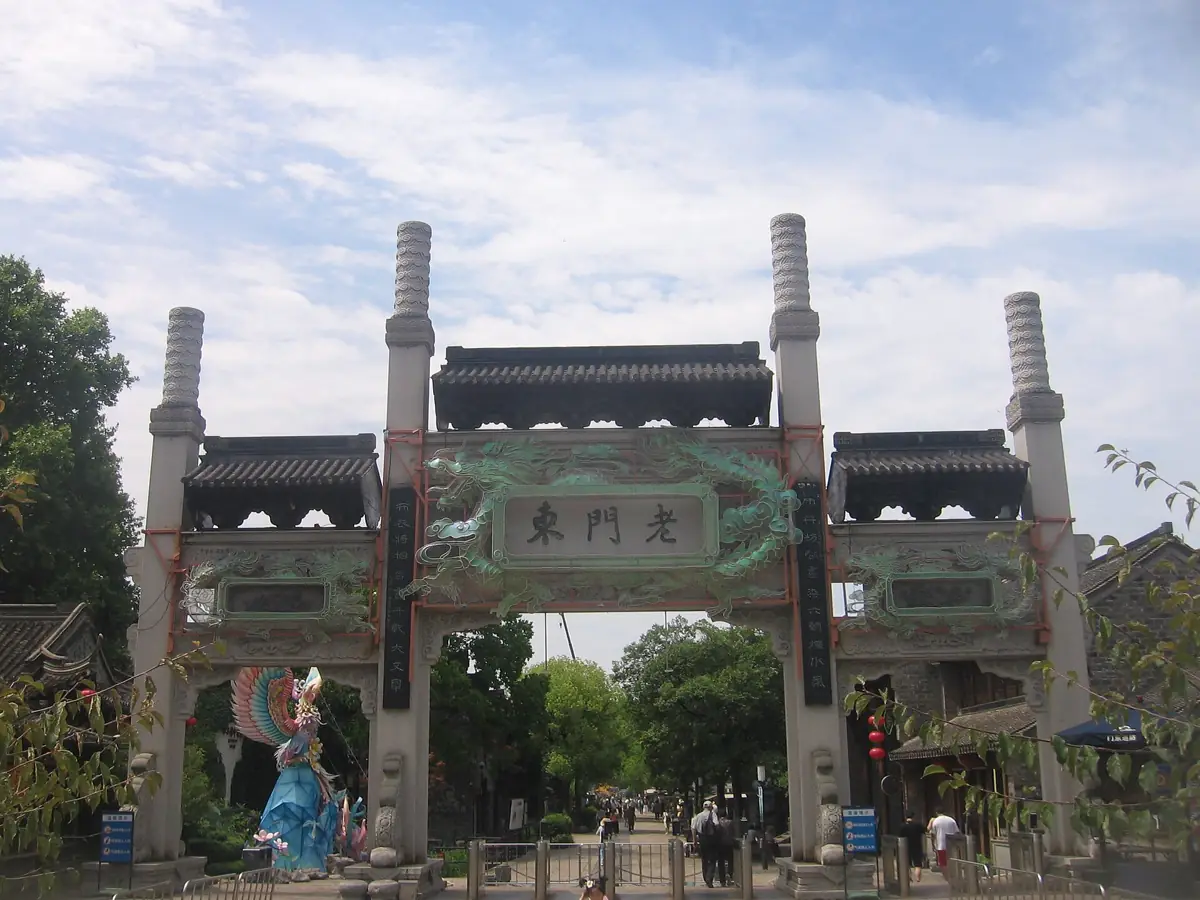
A restored old quarter of grey-brick houses, courtyards and lanes just inside Zhonghua Gate. Free to wander, it's packed with snack stalls, tea houses, craft shops and small galleries, and backs onto a walkable stretch of the city wall. Some individual venues inside charge or need booking.
Free to enterNear Zhonghua Gate
Porcelain Tower & Grand Bao'en Temple 大报恩寺 · 琉璃塔
In the 15th century the Bao'en Temple's glazed-brick pagoda, completed in 1428, amazed visitors from across the world, and European travellers knew it as the “Porcelain Tower of Nanjing”. It was destroyed in 1856. Archaeological excavations in 2007–08 uncovered the temple foundations and precious relics, and in December 2015 the site reopened as a heritage park, with a modern, light-filled pagoda structure built over the ruins and an underground museum.
TicketedMetro Line 1, Zhonghuamen, about 1 km walk
Also worth it: Presidential Palace 总统府
A sprawling complex of government buildings and classical gardens spanning several centuries of Nanjing history, now the Museum of Modern Chinese History. Metro Lines 2 & 3, Daxinggong station. Ticketing rules for passport holders differ from Chinese ID holders (often a ticket-window purchase); check before you go.
Frequently asked questions
How do I book the Sun Yat-sen Mausoleum as a foreigner?
Open WeChat, search 中山陵 and use the official Zhongshan Mountain National Park mini-program. Choose a date and time slot, add each visitor with ID type Passport and the passport number, submit, and bring the same original passport on the day. Entry is free; the site normally closes on Mondays except national holidays.
Is the Nanjing Museum free?
Yes, the permanent galleries are free, but you must reserve in advance through the museum's official mini-program and bring your passport. It normally closes on Mondays except national holidays.
Can you walk on the Nanjing City Wall?
Yes. Several sections can be walked on top, including around Zhonghua Gate, the Taicheng section near Jiming Temple and stretches above Xuanwu Lake. These sections are ticketed.
How long should I spend at the Memorial Hall of the Victims in the Nanjing Massacre?
Plan around two to three hours. Admission is free with a real-name reservation (passport for foreigners) through the official WeChat account; it normally closes on Mondays except national holidays.
Is the Qinhuai River night cruise worth it?
It is the classic Nanjing evening: painted boats leave from the dock beside the Confucius Temple and pass lit-up bridges and old houses in under an hour. Book via the official Fuzimiao mini-program or at the dock and check for weather suspensions.
Last checked October 2026. Opening days and booking rules change; confirm on the official mini-program or website before visiting.