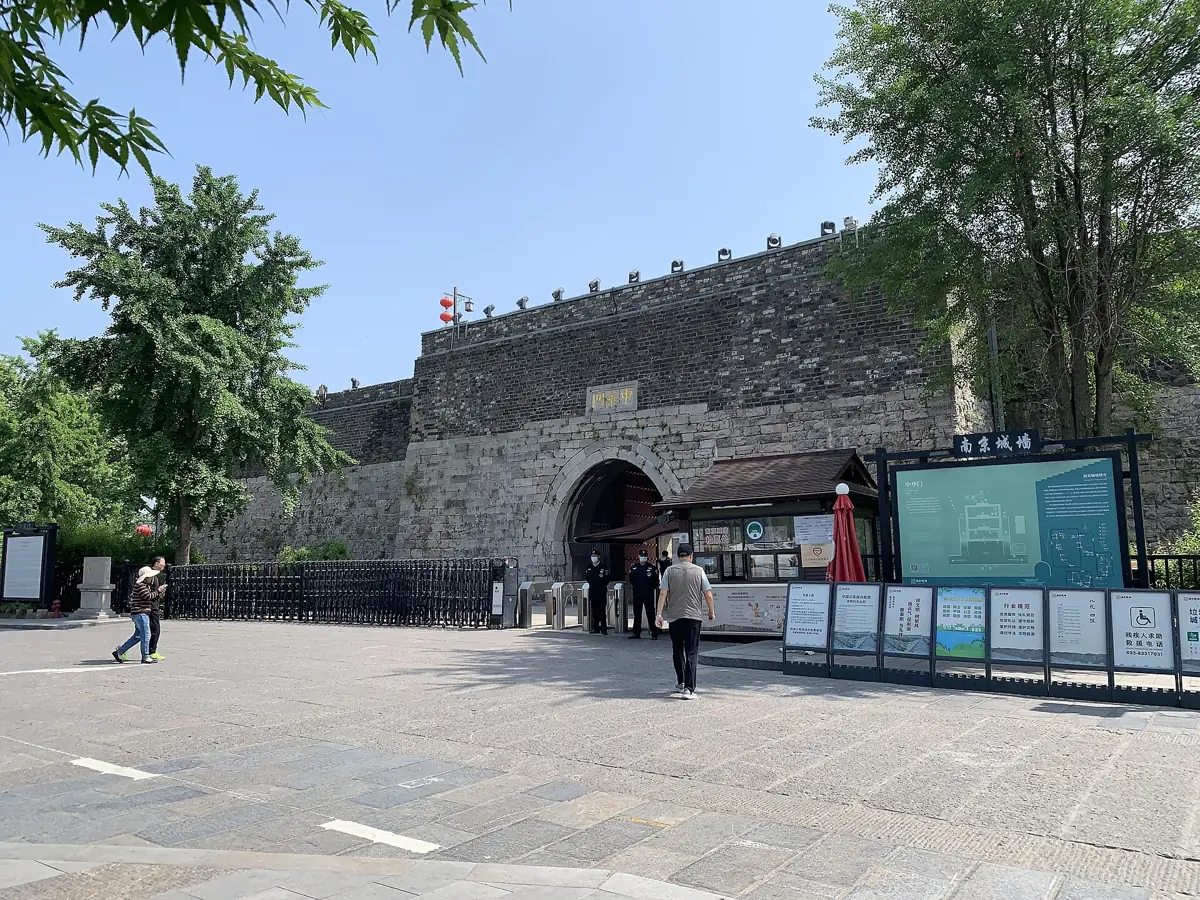
The Ming City Wall
Begun in 1366, about 25 km of the original wall still survives. Walk the top near Zhonghua Gate or by Xuanwu Lake.
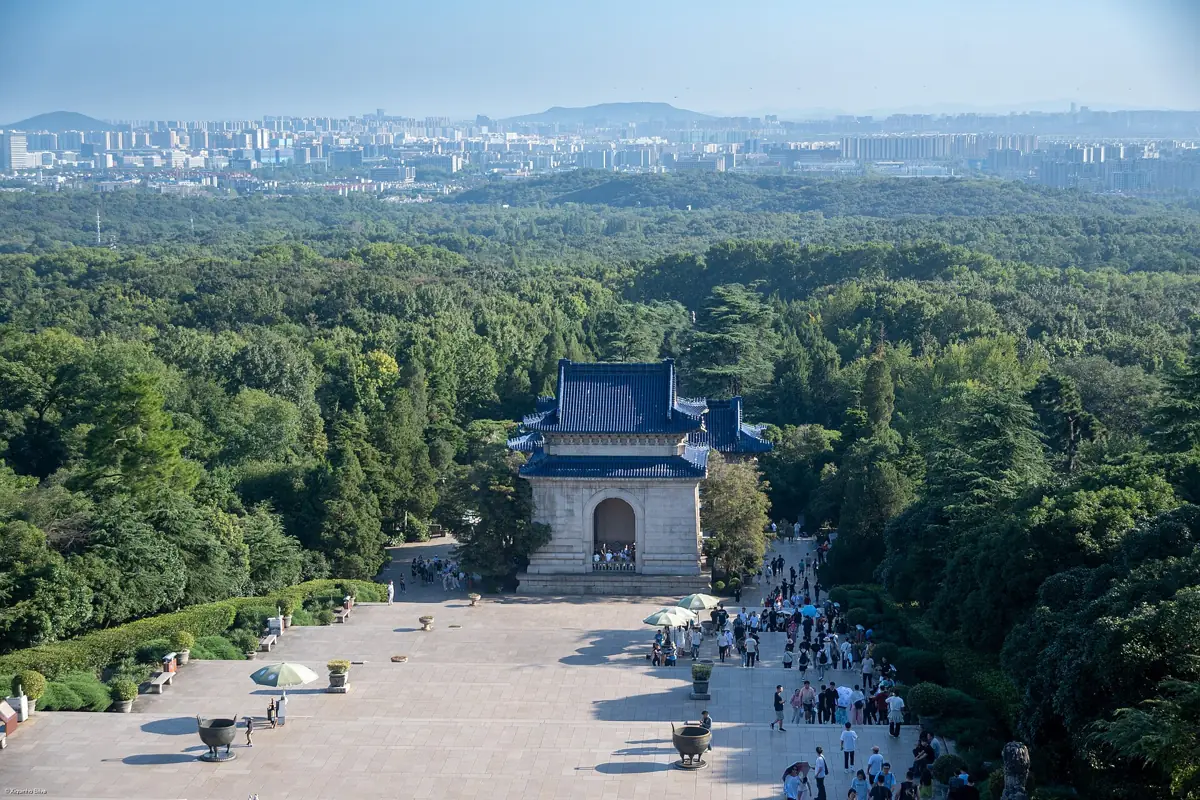 Photo: xiquinhosilva, CC BY 2.0, via Wikimedia Commons
Six centuries of city wall, a mountain of tree-lined monuments, river lanterns at night and some of China's best duck. An English guide for first-time visitors.
Nanjing (南京) is a former imperial capital on the Yangtze River in Jiangsu Province, best known for its 14th-century Ming city wall, the Sun Yat-sen Mausoleum and Ming Xiaoling tomb on Purple Mountain, the Nanjing Museum, the lantern-lit Qinhuai River, and salted duck. Two to three days covers the highlights. Before you go: set up Alipay or WeChat Pay with a foreign card, check visa-free entry rules, and reserve the Mausoleum, Museum and Memorial Hall with your passport (they usually close on Mondays).
Updated
Nanjing (南京, “southern capital”) sits on the Yangtze River in Jiangsu Province, west of Shanghai, and it has served as a capital for several Chinese dynasties and governments. That long history is unusually easy to see: a huge stretch of the early-Ming city wall still stands, the first Ming emperor's tomb lies on Purple Mountain, and the old Confucian exam district along the Qinhuai River is now a lively, lantern-lit evening spot.
It is also a green, walkable city with broad plane-tree avenues, a big lake right next to the main railway station, and a relaxed food scene built around duck, soup dumplings and sweet osmanthus snacks. High-speed trains link it with Shanghai, Beijing, Hangzhou and Suzhou, so it slots neatly into a wider East China trip.
Begun in 1366, about 25 km of the original wall still survives. Walk the top near Zhonghua Gate or by Xuanwu Lake.
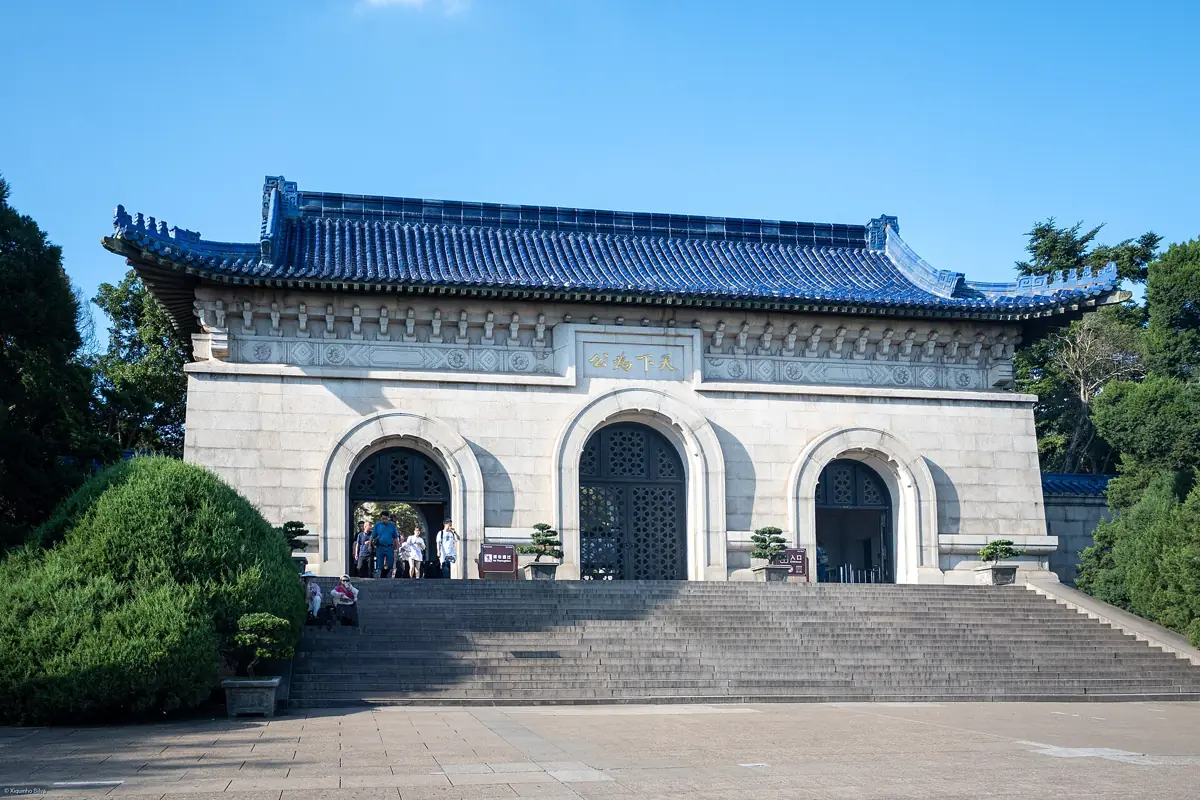
The Sun Yat-sen Mausoleum and the UNESCO-listed Ming Xiaoling tomb sit in forested parkland on the city's eastern edge.
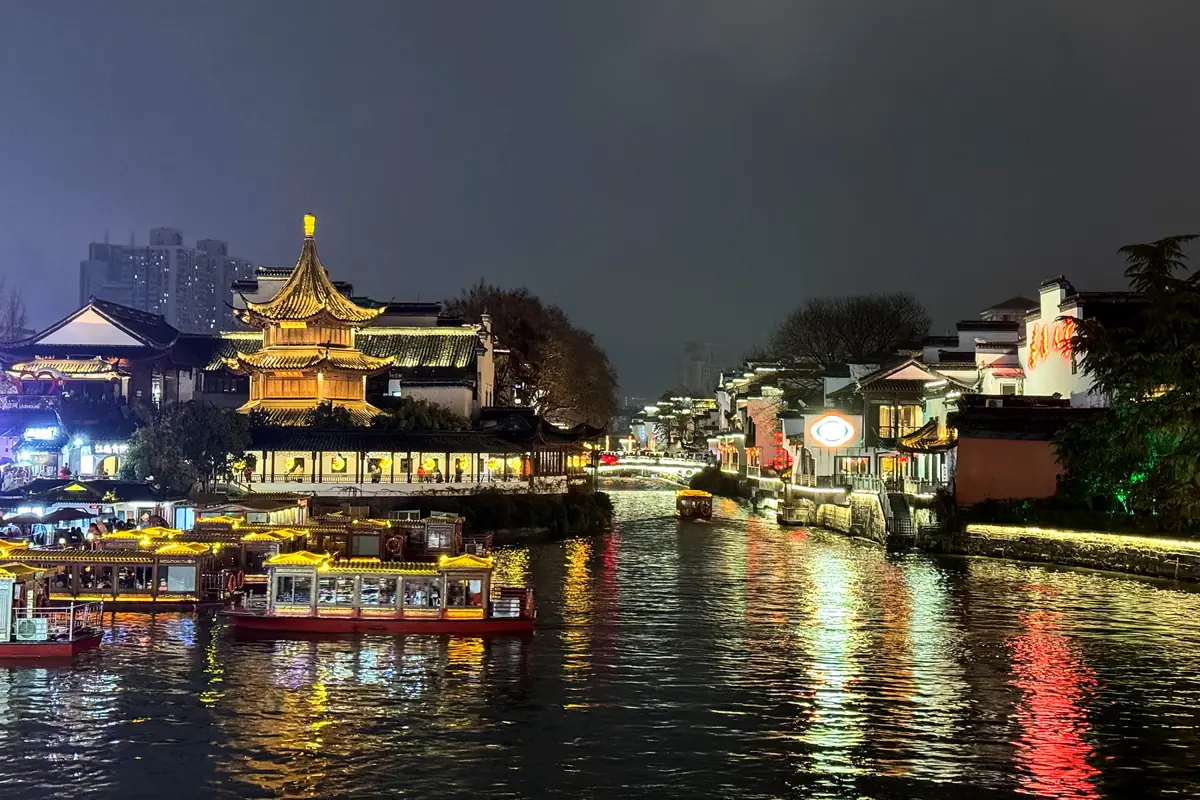
Lanterns, painted boats and snack streets around the Confucius Temple (Fuzimiao).
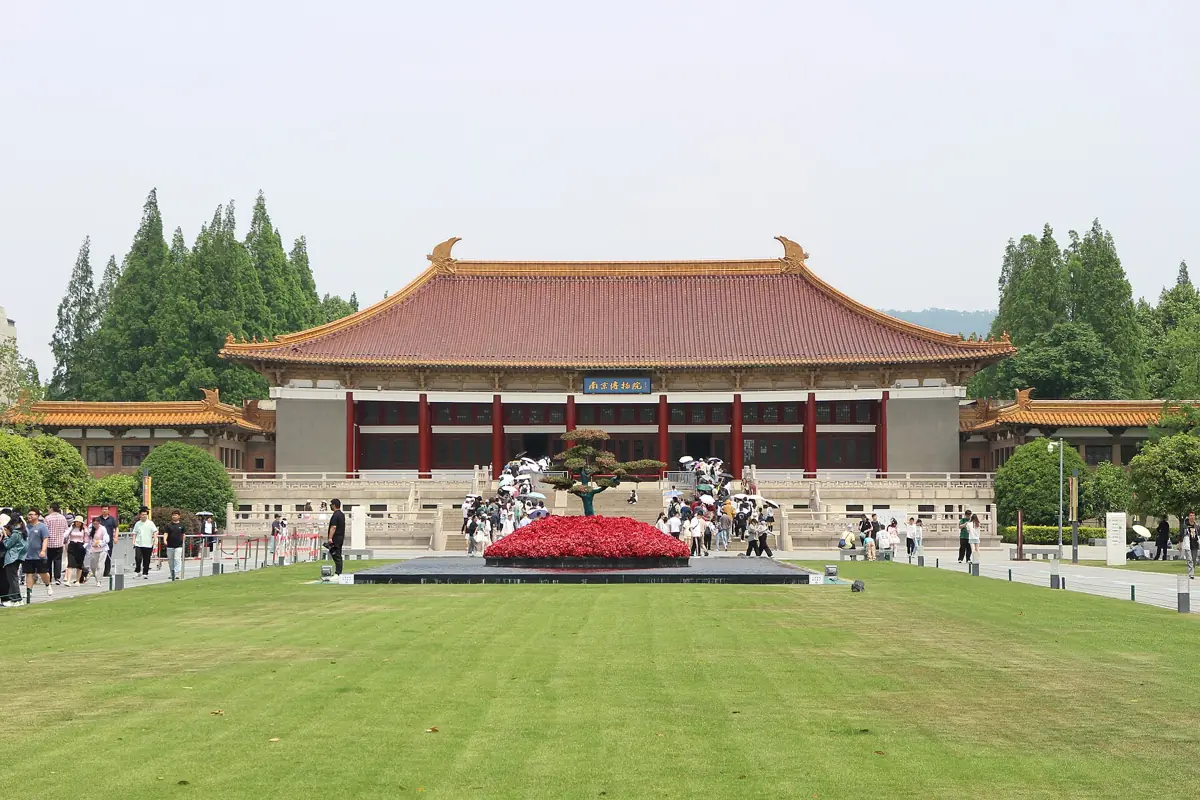
One of China's major museums, with roots in 1933. Free permanent galleries with advance reservation.
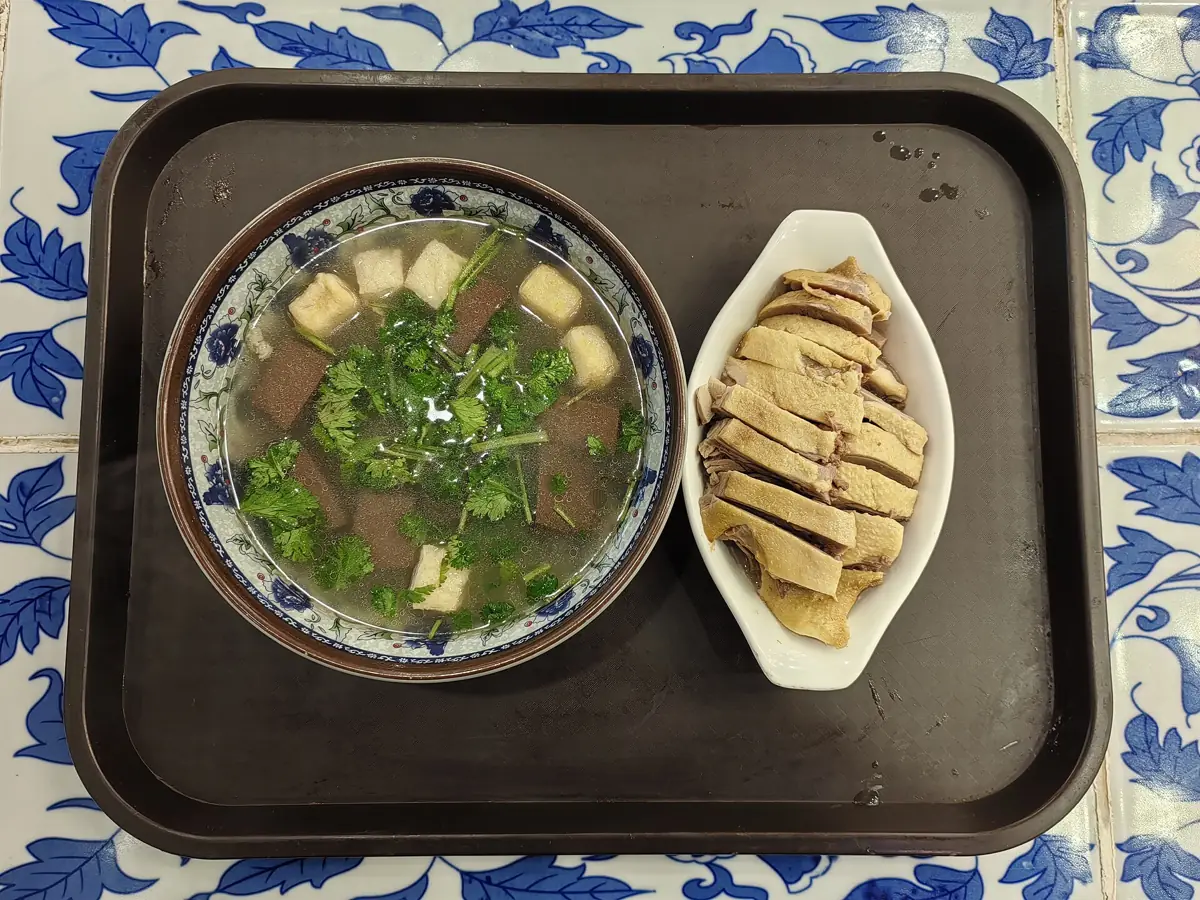
Salted duck and duck blood vermicelli soup are the city's signature tastes.
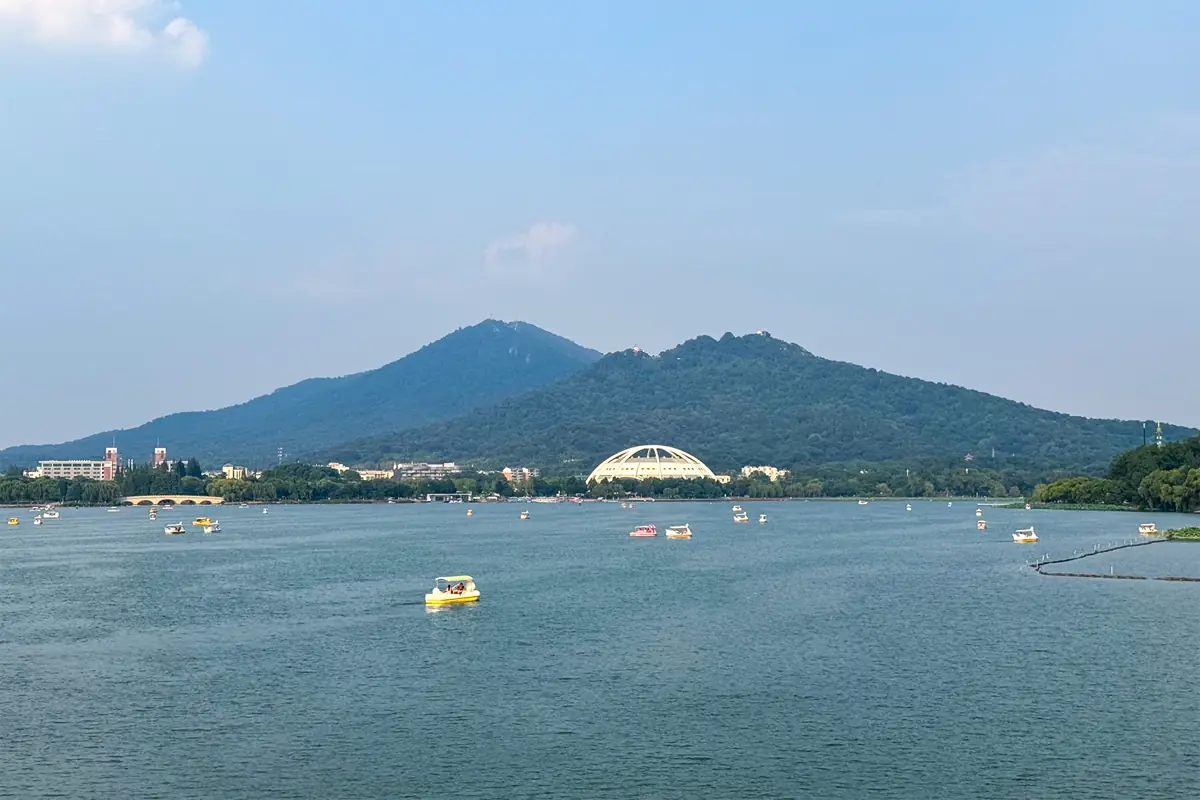
A former imperial lake with five islands, free to walk, framed by the wall and Purple Mountain.
Morning: Climb the 392 steps of the Sun Yat-sen Mausoleum (reserve first), then continue to the Ming Xiaoling Mausoleum and its Sacred Way lined with stone animals.
Afternoon: Metro Line 2 to Minggugong for the Nanjing Museum (reserve first). Allow at least three hours.
Evening: Dinner around Xinjiekou; try a salted duck platter and 鸭血粉丝汤 (duck blood vermicelli soup).
Morning: The Memorial Hall of the Victims in the Nanjing Massacre (Line 2, Yunjinlu). It is a solemn place; plan two to three quiet hours.
Afternoon: Jiming Temple (Line 3/4, Jimingsi), then walk to the city wall above Xuanwu Lake and stroll the islands toward sunset.
Evening: Eat your way along the Shiziqiao food street off Hunan Road.
Morning: Zhonghua Gate, the great Ming barbican gate, then the Porcelain Tower (Da Bao'en Temple) heritage park just south of it.
Afternoon: Snack through Laomendong's restored lanes: beef potstickers, tangbao, osmanthus sweets.
Evening: Walk to the Confucius Temple (Fuzimiao) and take a Qinhuai River night cruise.
Yes, for history, food and greenery. Nanjing has one of the world's longest surviving city walls, the Ming Xiaoling Mausoleum (a UNESCO World Heritage site), the Sun Yat-sen Mausoleum, a major national museum and the lively Qinhuai River area, and it is well connected by high-speed rail to Shanghai, Suzhou, Hangzhou and Beijing.
Two to three days covers the main sights: one day for Purple Mountain and the Nanjing Museum, one for the Memorial Hall, Jiming Temple and Xuanwu Lake, and one for Zhonghua Gate, Laomendong and a Qinhuai River evening.
It is strongly recommended. Many attraction reservations (including the Sun Yat-sen Mausoleum, Nanjing Museum and Memorial Hall) are made through official WeChat mini-programs or accounts. For payments, the metro and DiDi taxis, Alipay alone works well, so many visitors install both.
The Sun Yat-sen Mausoleum, the Nanjing Museum and the Memorial Hall of the Victims in the Nanjing Massacre normally close on Mondays, except on national holidays. Check the official channel before you go.
It depends on your nationality. As of October 2026, ordinary-passport holders of 50 countries can enter China visa-free for up to 30 days, and 57 nationalities can use 240-hour visa-free transit through Nanjing Lukou Airport if travelling on to a third country. Confirm with the National Immigration Administration or a Chinese embassy.
Facts last checked October 2026. No prices are listed on purpose: they change. Always confirm hours and rules on official channels before you go.